Have you ever walked into a room and felt like every pair of eyes is laser-focused on you? Maybe it was the way your shirt didn’t sit right or how you stumbled over your words during introductions. That overwhelming feeling, like the world is watching your every move, is something psychologists call the “spotlight effect.” It’s a universal experience, but it can have a sneaky way of turning self-consciousness into insecurity.
In this article, we’ll explore the spotlight effect, the difference between self-consciousness and self-awareness, and how to strike the right balance so you can live with greater freedom and self-acceptance.
The Spotlight Effect and Overthinking
The spotlight effect is a psychological phenomenon where you overestimate how much others notice or care about what you’re doing. And the truth? People are too wrapped up in their own worlds to give you the attention you think they do. Yet, this distorted perception can lead to heightened self-consciousness.
When you’re overly self-conscious, you’re constantly scanning for potential judgment. Did I say the wrong thing? Did they notice the stain on my shirt? This hyper-awareness can quickly morph into insecurity, making you hesitant to take risks or show up authentically (think awkwardness). The irony is that while you’re busy worrying about others’ opinions, they’re likely doing the same about themselves.
Understanding the spotlight effect is the first step to breaking free from your own negative self-perception. It’s not about dismissing how others perceive you entirely; it’s about realizing their attention on you is fleeting, if it exists at all.
Self-Consciousness vs Self-Awareness
It’s easy to confuse self-consciousness with self-awareness, but they’re vastly different. Self-consciousness is like carrying a heavy mirror that only reflects flaws, whether real or imagined. It’s a fear-driven focus on how others might judge you, and it often creates a prison of insecurity. When you’re overly self-conscious, you’re not living for yourself; you’re performing for an audience that may not even be paying attention.
Self-awareness, on the other hand, is a more balanced and empowering state. It’s about observing yourself objectively, understanding your strengths, weaknesses, and patterns, and recognizing how you impact the world around you. Self-awareness isn’t about obsessing over what others think; it’s about being honest with yourself. It’s the lens that lets you see where you are not free—where fear or societal expectations might be holding you back.
For example, imagine you’re giving a presentation. Self-consciousness makes you hyper-focused on whether your voice sounds shaky or if your audience finds you boring. Self-awareness, however, allows you to notice your nerves and redirect your energy into connecting with your audience. It’s the difference between being trapped by fear and stepping into the moment with presence.
How Age Reduces Self-Consciousness
Remember your teenage years? Every pimple felt like a catastrophe, and the idea of being embarrassed in front of your peers was unbearable. For most of us, that level of self-consciousness diminishes as we age. Why? Perspective.
As you grow older, you start to realize that most people aren’t scrutinizing you the way you feared. Life’s responsibilities and challenges also tend to shift your focus outward toward family, career, or personal goals—and away from relentless self-evaluation.
But here’s the thing, you don’t have to wait for age to do the work for you. You can choose now to stop letting your self-perception be controlled by what you think others might think. The key is to actively challenge those assumptions. Ask yourself: “Am I really being judged, or is this my fear talking”? Often, it’s the latter.
Striking the Right Balance
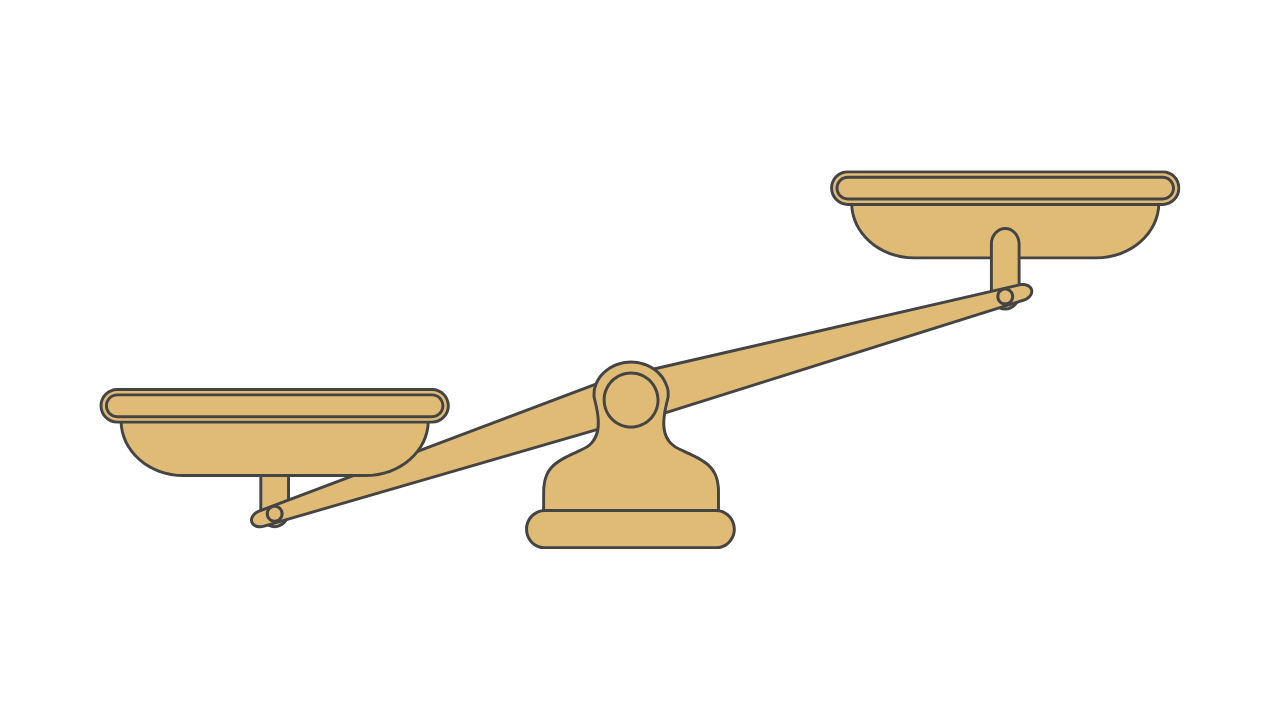
So how do you balance self-awareness and self-consciousness? It starts with reframing how you see yourself and where you’re placing your energy. The goal isn’t to stop caring entirely about others’ opinions—we’re social creatures, after all—but to stop letting those opinions define you.
- Self-Acceptance: The more you accept yourself, flaws and all, the less power others’ judgments hold over you. Self-acceptance isn’t about ignoring areas for growth; it’s about recognizing your humanity and giving yourself grace.
- Taking Yourself Less Seriously: When you’re caught in the spotlight effect, try to zoom out. Will this moment matter in a week, a year, or a decade? Most of the time, the answer is no. Laugh at your mistakes. They’re often more endearing than you think.
- Analyzing Your "Leash": Where in your life are you giving others the proverbial leash, allowing them to control how you see yourself? Is it in your appearance, your career choices, or your social media presence? Reflect on these areas and ask: Am I living for me or for their approval?
- Prioritizing How You See Yourself: Your relationship with yourself is the foundation for everything else. When you prioritize how you see yourself over how others see you, you’re no longer a slave to societal expectations or peer pressure. Instead, you’re free to define your worth on your terms.
Summing It All Up
The spotlight effect might make you feel like you’re always on stage, but the reality is far less dramatic. Most people are too preoccupied with their own lives to scrutinize yours. Understanding the difference between self-consciousness and self-awareness can help you step out of the spotlight and into a more balanced, confident way of living.
Don’t wait for age or wisdom to reduce your self-consciousness. Start now. Focus on how you see yourself, not on the fleeting judgments of others. Take the leash back, laugh at your mistakes, and embrace the freedom that comes with letting go of the fear of judgment. Life is far too short to live in the shadow of the spotlight effect.
Sincerely,
Dexter Lam
The 5 Day Overthinking Reset
Overthinking isn't a thinking problem.
Five short emails on what's actually keeping the loop alive. The mechanism, not the motivation. Free.
Start the Reset