Region-Beta Paradox: Why Feeling “Okay” Can Hold You Back
Have you ever stayed in a job, relationship, or situation that wasn’t great, but it wasn’t terrible either? It wasn’t making you happy, but it wasn’t bad enough to force you to leave. That’s the Region-Beta Paradox at work.
In this article, we’ll explore the price of comfortable complacency, why being “okay” can actually be dangerous, and how self awareness of your discomforts can be turned into your advantage.
What is the Region-Beta Paradox?
The Region-Beta Paradox is a fascinating concept that explains why we often stay stuck in mildly uncomfortable situations longer than we should. The paradox suggests that people are more likely to endure situations that are “bearable” than ones that are outright painful. And this is because discomfort strong enough to push us to act can actually be a blessing in disguise.
Merely because it forces us to seek change.
I’ve experienced this firsthand. For over a decade, I was in a career that felt safe and relatively predictable, but deep down, I knew it wasn’t aligned with my purpose. The thing is, it wasn't unbearable. I was making good money, and life was comfortable. But that comfort kept me complacent. It wasn’t until I reached a point of true dissatisfaction that I finally took action to change my life.
Taking the Pebble Out of Your Shoe
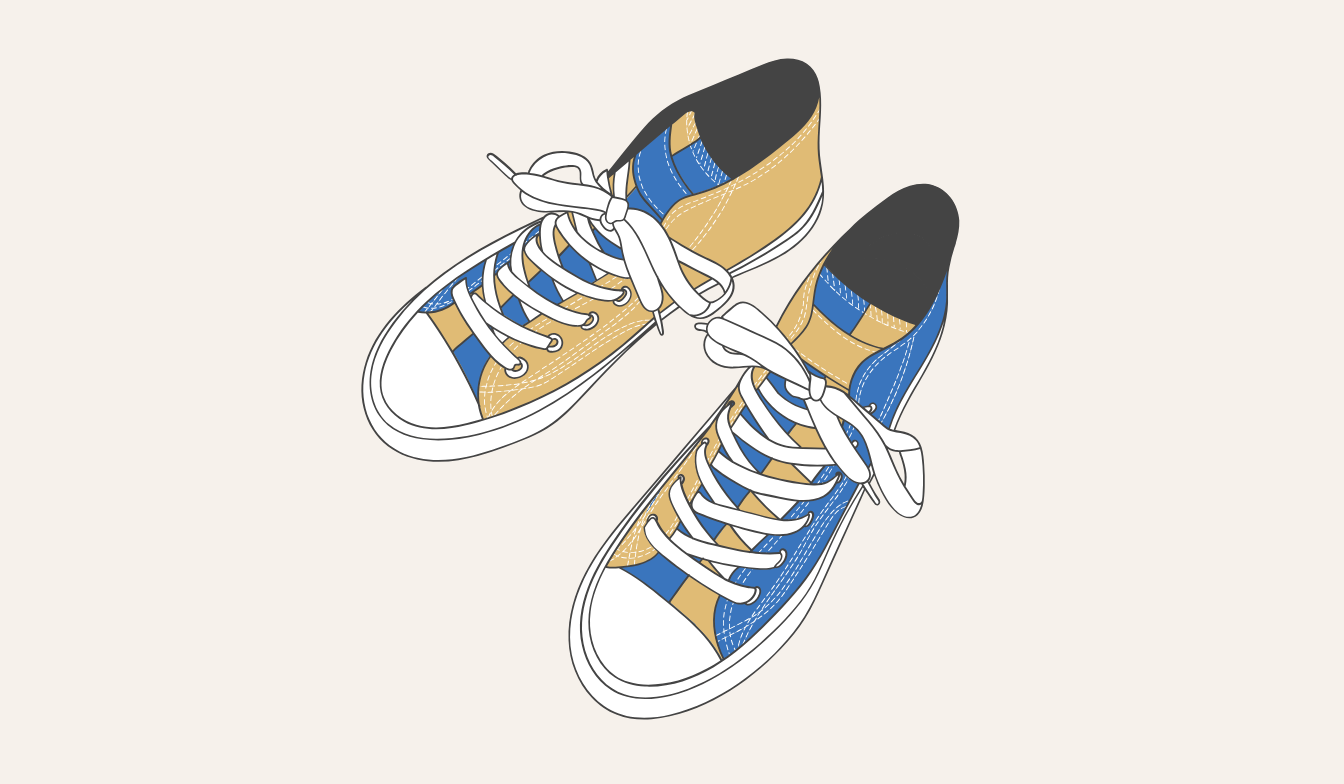
Now here’s a simple scenario to emphasize how discomfort can serve you.
Imagine you’re walking with a pebble in your shoe. It’s uncomfortable, but not painful enough to stop and take it out, so you keep walking. Now, imagine that pebble becomes a sharp rock. The pain forces you to stop, remove it, and maybe even change your shoes. That’s the Region-Beta Paradox: when discomfort is mild, you tolerate it longer.
Conversely, a sharper discomfort would push you to act sooner, leading to relief and improvement. So sometimes, it takes greater discomfort to force the change you’ve needed all along.
Why “Okay” Can Be Dangerous
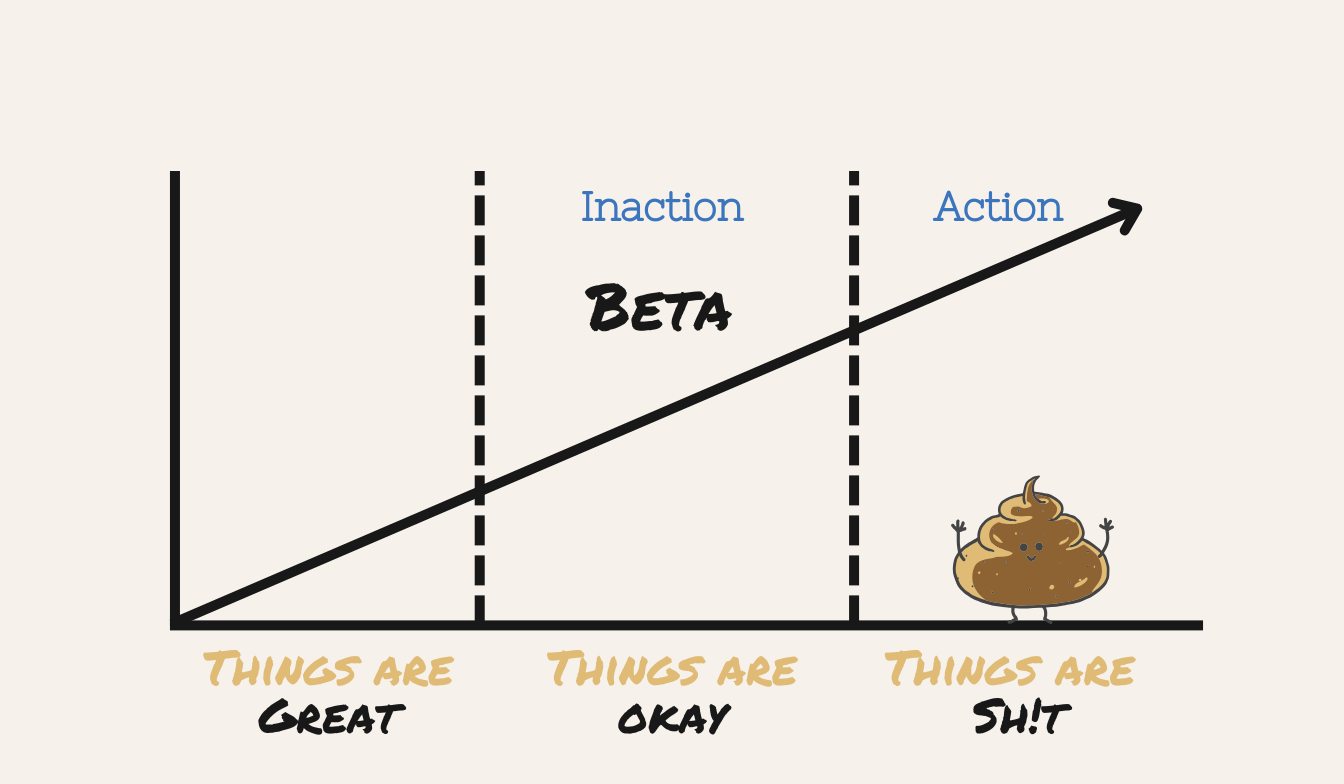
The danger of staying in a situation that’s “just okay” is that it lulls you into comfortable complacency. You settle for mediocrity because the discomfort isn’t strong enough to wake you up.
Over time, though, this slow burn can be more damaging than the sharp jolt of real discomfort.
The reality is, growth doesn’t happen in comfort zones. It happens when you’re willing to face challenges, embrace discomfort, and take action toward a better future.
The 5 Day Overthinking Reset
Overthinking isn't a thinking problem.
Five short emails on what's actually keeping the loop alive. The mechanism, not the motivation. Free.
Start the ResetHow to Use Discomfort to Your Advantage
The good thing is that you don’t always have to wait for a crisis to create change. Greater self-awareness can help you recognize when you’re stuck in a Region-Beta situation, and help you take action before things spiral. Here’s how:
- Acknowledge the Discomfort: Acknowledge the Discomfort: Be honest with yourself. Is this situation truly fulfilling, or are you tolerating it because it’s easier than the alternative? Self-awareness is the first step to recognizing when you’re settling.
- Visualize What’s Possible: Imagine your life 5 to 10 years from now if you stay where you are. Then, imagine what’s possible if you take action to change now. Which version excites you more?
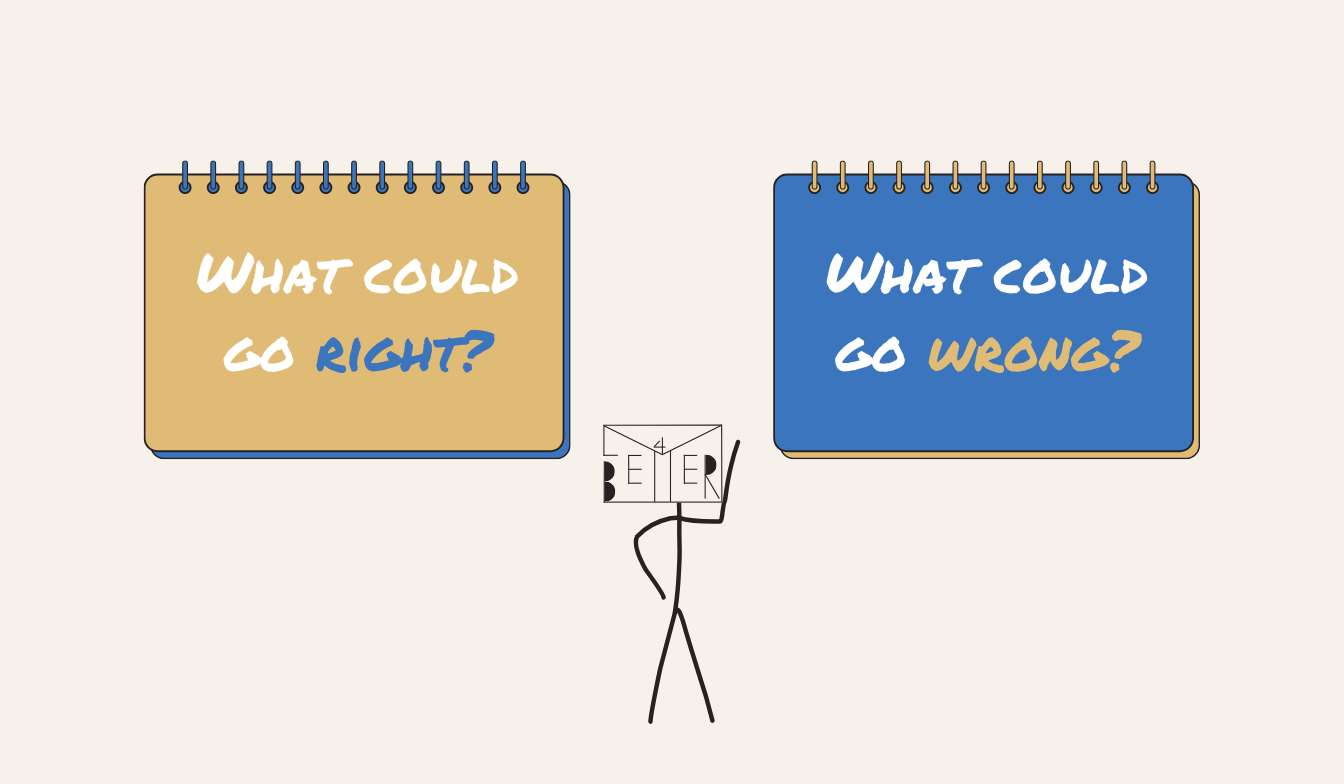
- Reframe Fear as a Catalyst: Fear often points to what’s important. If the idea of change scares you, then ask yourself: What’s the worst that could happen? More often than not, the rewards of stepping out of your comfort zone far outweigh the risks. So don't allow your mind to blow these fears out of proportion and default to the worst-case scenario (it's usually not that likely).
- Learn from Others: It’s good to learn from your own mistakes, but it’s even better if you're able to learn from others. Look for stories of people who’ve made bold changes. You’ll find their breakthroughs often came after moments of discomfort. Use it as a blueprint and proof that you can do the same without having to wait for a breaking point.
- Take Small Steps: Change doesn’t have to be overwhelming. Start with small, manageable actions. Even tiny steps can build momentum toward a more fulfilling path. But ultimately, it's up to you to take those steps.
Your Life is Worth the Effort
The Region-Beta Paradox is a powerful mental model that reminds us to address the areas of our lives that need attention, even if they aren’t causing outright catastrophe (right now). Don’t wait for things to get worse before you decide to make them better.
Take an intentional audit of your life and reflect on where you might be "settling". Is there a specific action (no matter how big or small) that you can take to move closer to the life you know intuitively aligns with your greater potential? Just remember, your future self will thank you for the courage you show today.
Whether you fail or you succeed; you won't regret the fact that you know you tried. You won't be left wondering "what if" because you'll have a deep sense of knowing that you chose to overcome your fears to pursue a life of alignment.
Sincerely,
Dexter Lam