Most people think boundaries are restrictive, but what if they are actually the key to your freedom? For years, I believed being agreeable, flexible, and easygoing was the safest way to live. What I didn’t realize was that every unspoken “no” slowly chipped away at my autonomy, energy, and sense of self.
So if you’ve ever felt resentful, exhausted, or disconnected from yourself without knowing why, this episode will help you understand what’s really happening beneath the surface. I’ll walk you through 10 powerful boundaries that can help you stop people pleasing and begin reclaiming your time, agency, and emotional clarity. You’ll also discover:
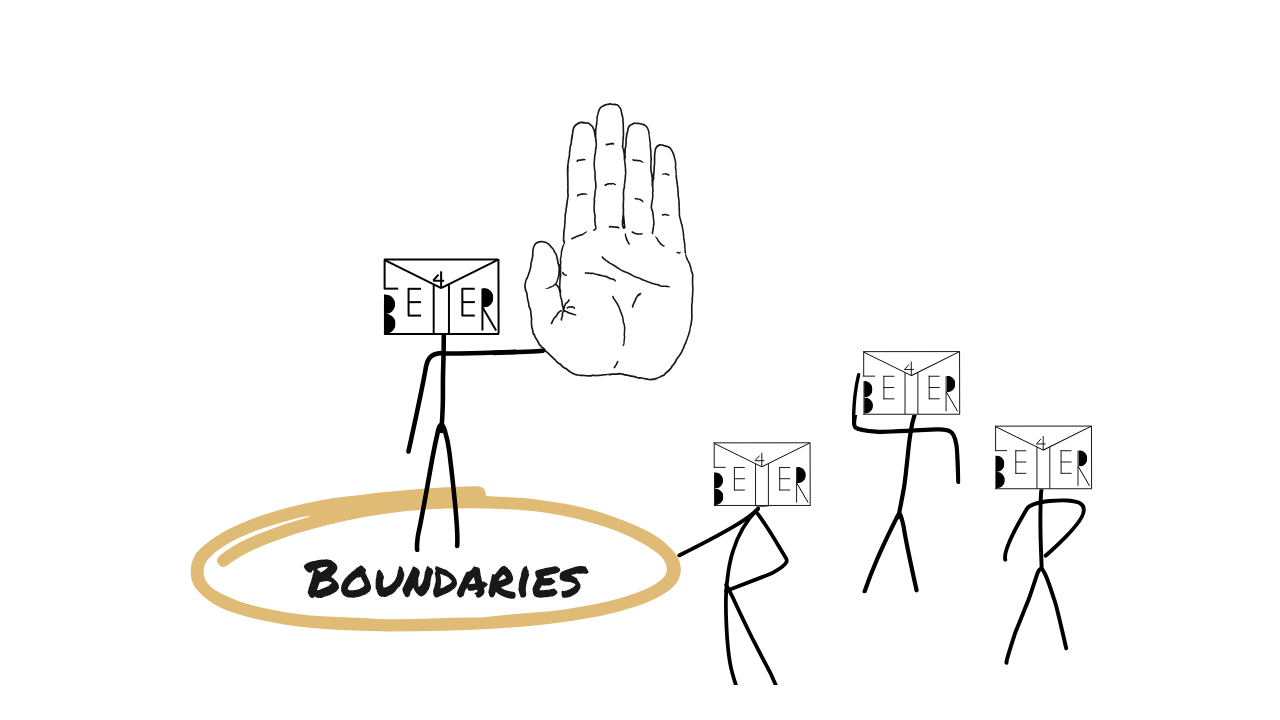
If you hear the word boundaries, what comes to mind? Most people think of restrictions, rules, or limitations. But what if I told you that setting boundaries does the complete opposite and actually creates freedom for you?
As someone who's been a people pleaser for decades, what I can tell you is it seems great on the surface to be highly agreeable, flexible, and nice. Plus it usually comes from a place of good intentions. The problem is: when you don’t set boundaries, you start to create a prison for yourself. Just think about it. If you’re always saying yes, agreeing to everything, and always going with the flow of what everyone else wants, you end up giving away your own time, energy, and personal agency.
And in the process, you lose your sense of autonomy, direction, and sense of self, which can silently breed resentment and frustration inside of you, without you ever fully understanding why.
So if you’ve ever noticed this pattern playing out in your own life, I’m going to explain exactly how to apply 10 types of boundaries that create freedom in both your relationships and personal life. And just a heads up, practicing some of these boundaries, like the 7th one on this list, might feel uncomfortable at first, but the payoff is huge because you begin to reclaim yourself in the process. So let’s get into it.
One of the most powerful boundaries you can learn is to buy yourself time before you commit to a request. Most people pleasing doesn’t come from you genuinely wanting to say “yes”, but because your nervous system is trying to avoid discomfort in the moment. When you give an immediate answer and just say “yes", your brain is operating from a threat response and not self leadership.
By creating a decision delay and saying something like, “Let me get back to you,” you’re giving your prefrontal cortex time to come online. That’s the part of your brain responsible for long term planning, decision-making, and impulse control. What you’re really doing here is giving yourself time to check in with yourself instead of outsourcing your decision to pressure.
So when you set this type of boundary, you free yourself by replacing automatic reactions with intentional choices. Over time, your brain learns that urgency does not always equate to danger or importance. And you start trusting yourself more because when you say “yes”, you know you actually mean it.
People pleasers often confuse accessibility with responsibility. Just because someone can reach you does not mean you are required to respond immediately. When you always make yourself available, your nervous system stays in a constant state of alert, which keeps your cortisol levels elevated, and makes rest feel unsafe.
By setting a boundary around your availability, like blocking off time on your calendar or choosing not to respond outside certain hours, what you are doing is teaching your brain that you are allowed to have protected time. Neurologically, this helps regulate your stress response and reduces hypervigilance.
This boundary creates freedom because when you limit your availability, you start taking ownership and control of your time. Instead of living on other people’s timelines, you get to decide when and how you show up. And the more you practice this, the more your sense of autonomy strengthens because your life is no longer dictated by the notifications of others.
A common pattern for people pleasers is absorbing other people’s emotions as if they’re your job to manage. When someone else is upset, disappointed, or anxious, your body reacts as though you caused it. This happens because your brain associates emotional tension with danger.
Setting a boundary around emotional responsibility means reminding yourself that you can care for other people’s emotions without having to carry them. On a neurological level, this helps separate empathy from enmeshment. The thing is, you can still be compassionate without allowing it to override your own emotional system to stabilize someone else’s.
When you stop taking ownership for feelings that aren’t your own, this boundary creates freedom by allowing you to stay grounded in your own body instead of constantly scanning for emotional threats. This allows you to take back your energy, regulate your emotions, and regain a clearer and more stable sense of self.
Five short emails on what's actually keeping the loop alive. The mechanism, not the motivation. Free.
Start the ResetPeople pleasers often base their decisions on what they can do for others, not what they can actually do sustainably. And there’s a big difference.
Just because you are capable of taking on more doesn’t mean it’s healthy for you. When you repeatedly push past your limits, your nervous system learns that your needs are negotiable. Setting a boundary for your capacity means empowering yourself to stop once you reach your limit, even if you can technically do more.
This is important because chronic overextension keeps your stress hormones elevated and leads to burnout. By placing a clear boundary around your energy and bandwidth, you protect your physical and mental health before it gets depleted, not after.
Over time, your brain learns to associate self respect with safety. When you do this consistently, you stop living in recovery mode and start operating from a place of balance, which allows you to show up more fully without sacrificing yourself in the process.
Now this boundary sounds cruel, but hear me out. Many people pleasers feel an unconscious urge to fix, save, or step into other people’s problems, even when no one asks them to. This often comes from a belief that being needed equals being valued.
Neurologically, rescuing others gives you a short term dopamine hit, but it can lead to long term resentment because you feel like you should be rewarded for doing so, which is ironically selfish and unwarranted.
When you allow people to experience their own discomfort and consequences, even if you’re aware of it, you’re not abandoning them, but respecting their agency. By setting this boundary, you break free from the cycle of constantly being hypervigilant about the perceived obstacles that people around you face.
When you stop trying to solve problems that aren’t yours to begin with, your mental load decreases and your relationships become more balanced. You reclaim your time, energy, and emotional space that was never meant to be outsourced in the first place.
By the way, if you’re ready to stop overthinking and reclaim your mental clarity, I’ve put together a free ebook called “Don’t Overthink It.” It’s a simple guide that helps you understand the root cause of overthinking and gives you actionable strategies to build confidence in your decision-making.
So grab a copy using the link in the description below.
Interrupt the loop, decide without waiting to feel certain, and take action. Downloadable right on the page.
Get the free eBookPeople pleasers often feel the need to justify every “no”, hoping that if they explain enough, they’ll avoid conflict or disappointment. But over-explaining is usually a sign that you don’t fully trust your own decision. When you set a boundary around how much explaining you do, especially when you say “no” to someone else’s request, what you are doing is teaching your brain to keep things simple and to see that you don’t require validation to be real.
This builds self trust instead of trying to seek approval. By removing the pressure of trying to manage other people’s reactions, you create freedom because you stop negotiating with your own limits. And over time, your nervous system becomes less reactive because you’re no longer anticipating or justifying the potential pushback of every interaction you face, which boosts your confidence in your decision-making.
I know this sounds super obvious, but the reality is, if you’re a people pleaser, it’s easy to constantly place your needs and wants last.
You’ll make decisions based on what keeps other people happy, instead of what feels aligned internally. And what’s worse is some people might be taking advantage of your lack of boundaries.
So when you start putting yourself first, it might feel selfish, but you’ll quickly realize that when you don’t place yourself as a priority, it becomes a form of self-betrayal. Neurologically, when you practice prioritizing yourself, you’re strengthening the connection between your values and your actions, which raises your self-concept.
And this is extremely liberating because you start believing that your needs matter in the equation, which helps to reduce unspoken resentment because you now speak up for yourself. The result is that you become the author of your own life again, instead of just a supporting character in the story of everyone else.
People pleasers often take on the invisible role of emotional regulator, peacekeeper, or trying to maintain harmony among others. This role is honestly exhausting because it requires constant self suppression.
Setting a boundary for what you’re willing to take on emotionally means stepping out of responsibilities you never overtly agreed to. On a nervous system level, this prevents you from taking on the chronic stress caused by being hyper aware and involved in the emotional turmoil of the people around you.
When you draw this boundary, you create freedom for yourself because you’re no longer performing to gain a sense of emotional safety. You stop managing the emotional climate of every room, and give your mind and body the permission to relax.
Ultimately, you become an objective observer who gets to be authentic and real instead of just being agreeable all the time.
Here’s an uncomfortable truth that people pleasers are rarely aware of. Overgiving is often a strategy to earn closeness or approval. When you start noticing that you're constantly putting in more effort than what you’re receiving in return, it can quietly breed resentment inside of you. But what you have to realize is that you are doing this to yourself.
So if you feel like your effort is clearly never being reciprocated, it might be time to set a boundary that allows you to match the proportion of time and effort you give in relation to others. This will free you from unnecessary frustration that you’ve created for yourself. Neurologically, this retrains your reward system to associate balance with safety. And this creates freedom because you stop pouring energy into dynamics that leave you drained and resentful.
When you no longer overextend yourself to feel worthy, your self esteem starts coming from within instead of from how much you give, where relationships become more honest and sustainable.
Now this boundary sounds crazy, but let me explain. Of course you don’t want to disappoint other people just for the sake of it. But here’s the thing. One of the deepest fears for people pleasers is letting other people down. Your brain often interprets disappointment as rejection or danger. When you’re able to set yourself free from the judgement and expectations of others, this is incredibly liberating because you realize that your perception of yourself should matter more than the perception of others.
The reality is you can’t control how other people see you, but you do have control over the actions you take that lead to how you see yourself. This is the foundation of self-image. When you can allow others to feel disappointed without rushing to fix it, it’s powerful because it teaches your nervous system that discomfort is survivable.
You break the belief that your role in life is to prevent negative emotions from others at all costs. You teach your brain that safety comes from within and being able to accept what you cannot control. And that’s where real autonomy begins.
So here’s the part I wish someone told me years ago. Boundaries don’t push people away. They just reveal who was never meant to stay. From personal experience, I’ve come to realize that healthy people are not threatened by your boundaries. In fact, they appreciate them because boundaries create clarity. And clarity creates trust. The only people who get upset when you start setting boundaries are the ones who’ve likely been benefiting from you not having any.
When you see this, it’s difficult to unsee. But this is extremely liberating because you now have greater discernment about the relationships worth keeping in your life. And here’s the best part. When you start setting these boundaries, your self trust rises from knowing that you have the courage to respect yourself. The truth is the freedom you’ve been searching for was never in saying “yes”. It was always in giving yourself permission to say “no” when you needed to the most.
So thanks so much for watching. My name is Dexter and I hope you have a wonderful day.
Bye Bye.
Most people hear 'boundaries' and think rules and limitations. But when you don't set them, you build a prison for yourself: always saying yes, always going with the flow, giving away your time, energy, and personal agency. Boundaries reverse that. They return ownership of your life to you, which is what freedom actually is.
Because your nervous system is trying to avoid discomfort in the moment. When you answer instantly, your brain is operating from a threat response, not self leadership. It's not that you genuinely want to say yes. Your brain has simply learned that agreement feels safer than the tension of disappointing someone. That's the mechanism to interrupt.
Start with one boundary: buy yourself time before committing. Saying 'let me get back to you' creates a decision delay that gives your prefrontal cortex, the part of your brain responsible for planning and impulse control, time to come online. You check in with yourself instead of outsourcing your decision to pressure. Build from there.
Two mechanisms. Constant availability keeps your nervous system on alert, which keeps cortisol elevated and makes rest feel unsafe. And repeatedly pushing past your limits teaches your brain that your needs are negotiable, keeping stress hormones high until you're depleted. Boundaries around your time and capacity protect your energy before it's gone, not after.
No. You can care about someone's emotions without carrying them. People pleasers absorb others' feelings because the brain associates emotional tension with danger, so your body reacts as if you caused it. The boundary is separating empathy from enmeshment: stay compassionate, but don't let someone else's emotional state override your own system to stabilize theirs.
Over explaining is usually a signal that you don't fully trust your own decision. You're hoping enough justification will prevent conflict or disappointment. Keep it simple instead. A no doesn't require validation to be real. When you stop negotiating with your own limits, your nervous system becomes less reactive and your self trust grows.
It feels selfish at first, but constantly placing yourself last is a form of self betrayal, and some people may be taking advantage of your lack of boundaries. When you prioritize yourself, you strengthen the connection between your values and your actions, which raises your self concept and reduces the unspoken resentment that comes from silence.
Overgiving is often a strategy to earn closeness or approval, and it quietly breeds resentment you're actually creating for yourself. The boundary is matching the proportion of effort you receive. This retrains your reward system to associate balance with safety, and your self esteem starts coming from within instead of from how much you give.
Boundaries don't push people away. They reveal who was never meant to stay. Healthy people appreciate your boundaries because boundaries create clarity, and clarity creates trust. The only people who get upset are usually the ones who benefited from you not having any. That discernment is uncomfortable at first, but it's genuinely liberating.
Your brain interprets disappointment as rejection or danger, but when you allow others to feel disappointed without rushing to fix it, you teach your nervous system that discomfort is survivable. You can't control how people see you. You can control the actions that shape how you see yourself, and that's where real autonomy begins.