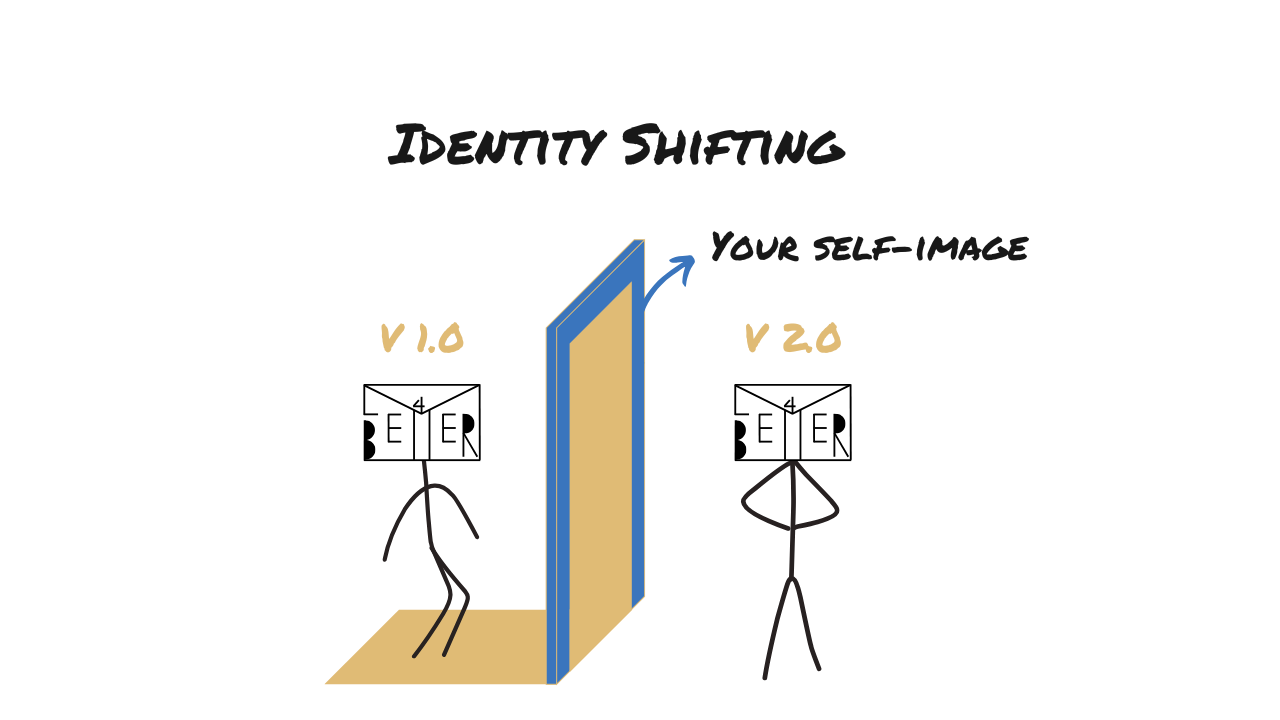
Have you ever paused to think about who you are and the roles you play in life? Beyond the labels of parent, professional, or friend, who is the person looking back at you in the mirror? For years, I tied my identity to roles that were fleeting, and when life shifted, I felt unanchored. What I learned is this: your identity can, and should, evolve, but it needs a solid foundation rooted in self-awareness.
In this article, we cover the roles we play in life, how these roles evolve over time, the importance of diversifying your identity, and how to create a sustainable sense of self that can carry you through life’s changes.
The Many Hats We Wear
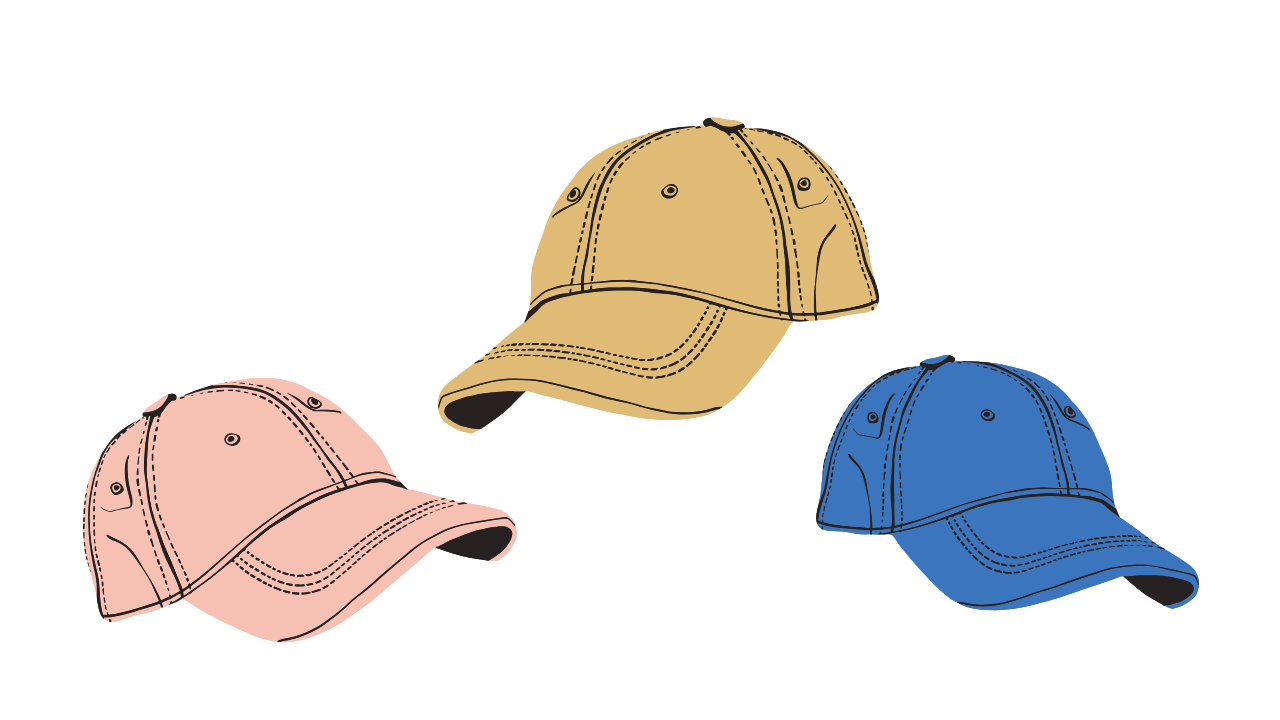
Think about your life right now. You’re likely playing several roles—maybe you’re a parent, a professional, a friend, or a partner. Each role shapes how you see yourself and how others see you, which can tie you deeper to those identities.
When I reflect on my own life, I’ve been: a son, a brother, a friend, a competitive aggressive inline rollerblader, fintech professional, and now a mindset coach and entrepreneur (or “wantrepreneur”). Each role brought its own set of purpose, responsibilities, challenges, and joys.
But here’s the thing: our roles, while essential, are not our entire identity. They’re pieces of the puzzle, not the whole picture. If you’ve ever felt overwhelmed or lost when a role changes—like moving to a new city, ending a career, or stepping into parenthood—you’ve experienced the fragility of tying your sense of self to just one role.
The Changing Seasons of Life
Life has seasons. One day, you might be single and focused on your career, and the next, you’re a parent juggling diapers and deadlines. Later, the kids grow up, you retire, or life takes a completely unexpected turn.
Here’s where self-awareness becomes your greatest tool. If you tie your identity too tightly to a role that’s temporary, you risk losing yourself when that role inevitably shifts.
So, how do you create an identity that stands the test of time? By anchoring it to your core intentions. For me, this has meant asking questions like:
What kind of person do I want to be, regardless of my circumstances?
What values guide me no matter what role I’m playing?
Why You Should Diversify Your Identity
Let me share an example that’s stuck with me: professional athletes. Many of them dedicate their entire lives to their sport, and when injury strikes or retirement arrives, they’re left grappling with a painful question: “Who am I now?” When all your identity eggs are in one basket, the loss of that basket can feel devastating.
Looking back, a huge part of my life was pursuing becoming a professional rollerblader, skating and competing from the ages of 10 up to my early 20s. But when university time rolled around, I began to realize that this wasn’t a viable career path (due to injuries, short career spans, and quite frankly a lack of funding in the sport).
What I didn’t realize at the time was that I built my entire life around this dream and when I moved on, I lost the most significant part of my identity (left wondering what my purpose was). And although rollerblading will always have a special place in my heart, this revelation has been a tremendous lesson for me.
Maybe you can relate in some area of your life. If your identity is entirely tied to your career, what happens if you lose that job? If it’s tied to being a parent, what happens when your kids grow up and move out? By diversifying your identity, you give yourself the freedom to adapt without feeling like you’ve lost your sense of self.
Start exploring other interests that bring you joy or meaning (ideally ones that are sustainable throughout the seasons). Maybe it’s a creative hobby, a side hustle, or volunteering. Think of these as additional layers of your identity—ones that make you more resilient and fulfilled.
Reinventing Yourself
Life doesn’t always go according to plan. Curveballs are inevitable—whether it’s a career setback, a personal loss, or simply realizing that the path you’ve been walking no longer feels right. In these moments, reinvention is not just an option; it’s a necessity.
But here’s the thing, when you apply self awareness to the trajectory of your life, you have the ability to look further down the road and start preparing earlier. A new path doesn’t always appear fully formed, but sometimes, you have to be introspective and start walking before the way becomes clear.
Take small steps toward what feels right, even if it’s just an inkling. Over time, the path will unfold. Reinvention isn’t about discarding who you are; it’s about building on your foundation to create something new.
Doing the Inner Work
Now the most sustainable identity is one that’s rooted in self-awareness, where it aligns with your core values, beliefs, and motivations. What drives you? What brings you meaning? These are the building blocks of your north star—the part of you that remains steady no matter how life changes.
Mindset-training and inner work can help you uncover this. Journaling, meditation, or working with a coach can be powerful tools for self reflection. When you know your core values, it’s easier to navigate transitions and reinvent yourself without losing your sense of self.
Closing Thoughts
Your identity is not a fixed destination; it’s a lifelong journey. Roles will come and go, but self-awareness is what allows you to adapt and grow through life’s changes. Diversify your identity, stay anchored to your values, and embrace the process of reinvention.
When you build a sustainable sense of self, you’ll find that no matter where life takes you, you always have a solid foundation to stand on. So, who are you, really? And who do you want to become next?
Sincerely,
Dexter Lam
The 5 Day Overthinking Reset
Overthinking isn't a thinking problem.
Five short emails on what's actually keeping the loop alive. The mechanism, not the motivation. Free.
Start the Reset