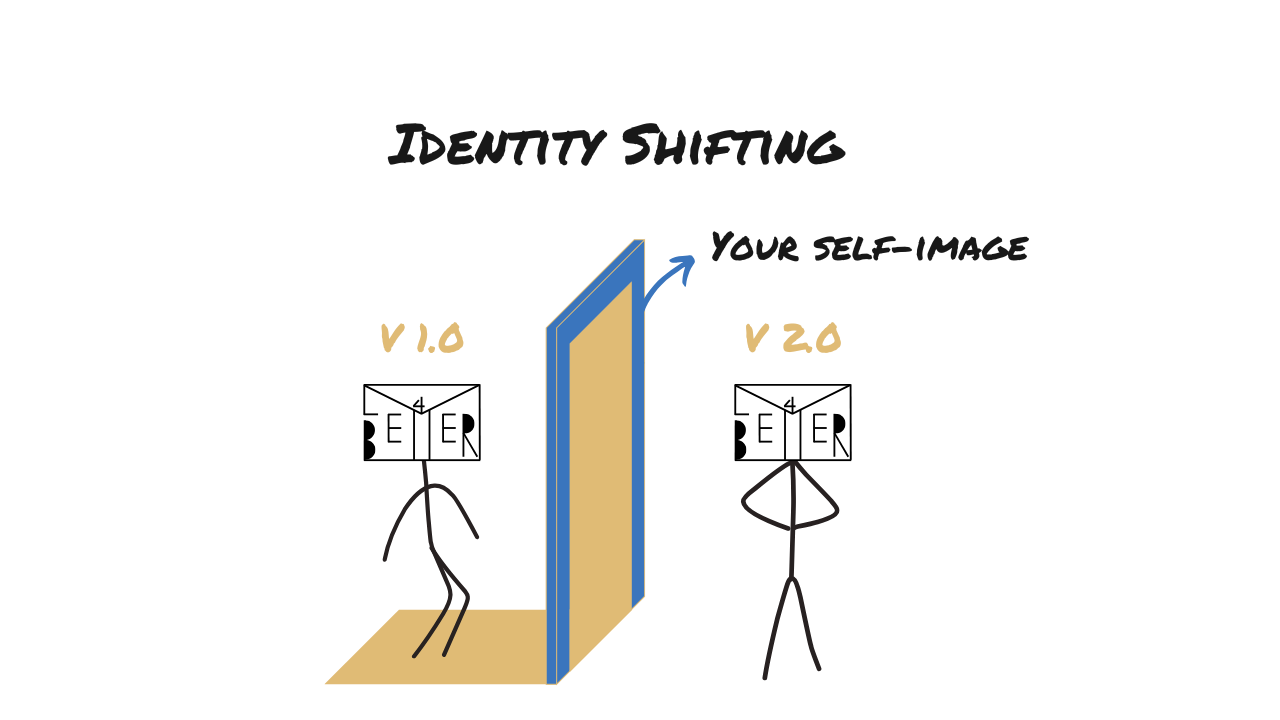
Ever felt like life is just happening to you? Like the world is stacked against you, and you’re left with no choice but to accept defeat? If so, you’re definitely not alone. It’s easy to slip into a victim’s mentality, but the truth is, staying in that mindset will only keep you stuck.
In this article, we highlight what it means to have a victim mentality, why it’s so tempting to fall into, and how self-awareness and responsibility can help you reclaim your power and rewrite your story.
What Is a Victim Mentality?
A victim mentality is when you constantly see yourself as powerless in the face of life’s challenges. It’s the belief that things happen to you and not for you.
Now it’s important to preface that the word “victim” exists for a reason because as people we do experience scenarios where maybe a crime, accident, or malicious act does cause us to be a victim in a situation. But the mindset we hold after that is a choice; we can choose whether we want to continue staying the victim in all of these scenarios.
So why do people play the victim? There are some immediate payoffs. You might gain sympathy, attention, or even avoid accountability for your actions. It feels safe because it allows you to shift the blame outward. But when you remove accountability and have a victim’s mentality, you also remove the power to change anything.
It’s like being a passenger in your own life instead of the driver. And the longer you stay in that mindset, the harder it becomes to break free.
Life isn’t Fair and That’s Okay
Let’s confront the harsh reality: life isn’t always fair. Bad things happen. People let you down. Circumstances outside your control can derail your plans. But the real danger isn’t the unfairness itself, it’s what happens when you let those moments define you.
Without self-awareness, what starts as innocent victimhood can snowball into a full-fledged victim mentality. Self-awareness is the key to seeing how you’re showing up in these moments. Are you focusing on what’s within your control, or are you feeding a narrative that keeps you stuck?
Playing the victim might feel comforting in the short term, but it doesn’t serve you in the long run. It keeps you from learning, growing, and finding solutions.
Why a Victim Mentality is Self-Centered
This might be hard to hear, but having a victim mentality is actually very self-centered (and trust me i’ve been there). When you shift all the blame externally, you’re still making everything about you. It’s easy to create an amplified story in your mind about how unfortunate you are—how nothing ever goes your way.
The truth is, in the short run you might gain a few sympathy points from expressing your victimhood. But staying in this cycle doesn’t help anyone—not you, and not the people around you.
Over time, this mindset seeps into every area of your life. It can lead to depression, feelings of helplessness, and a constant loop of self-pity. The problem is, the more you focus inward with this mindset, the more disconnected you become from the solutions that could help you move forward.
The Irony of a Victim Mindset
The ultimate irony: when you’re stuck in a victim mindset, you’re signaling to the world that you’re powerless. You’re essentially saying, “This thing that happened to me is in control of my life.”
But the reality is it doesn’t have to be that way. The antidote is radical responsibility. This means taking ownership of absolutely everything in your life, even the things that aren’t your fault.
Let me give you an example. If you were in a toxic relationship and you’re angry about how your ex treated you in your last relationship, ask yourself: “At what point did I allow this to happen?” It’s not about blaming yourself but recognizing the role you played in allowing toxic behavior to continue.
Taking responsibility isn’t about letting others off the hook; it’s about freeing yourself. When you own your part, you’re actually regaining control.
Self-Empowerment Through Taking Ownership
Taking responsibility is one of the most empowering things you can do. When you stop blaming external factors and start focusing on what you can control, you take back your agency.
Does this mean everything in your life is your fault? Not necessarily, but it does mean you get to decide how you respond.
When you take ownership, you stop being at the mercy of people and circumstances. You stop waiting for someone else to fix things and start creating the change you want to see.
This shift leads to a kind of freedom that’s hard to describe. Suddenly, you’re not as affected by things you can’t control because you’ve learned to focus your energy on what truly matters.
Steps to Overcome a Victim Mentality
If you’re ready to break free from the victim mindset, here are a few steps to get started:
- Practice self-awareness: Pay attention to your thoughts. Are you blaming others or external circumstances for your unhappiness?
- Take inventory: Identify areas where you’re giving away your power. Where are you waiting for someone else to make things better?
- Ask better questions: Instead of “Why is this happening to me?” Try asking “What can I learn from this?” or “What can I do to change this situation for the better?”
- Focus on what you can control: Shift your energy toward actions and decisions that are within your circle of control.
Be the Hero, Not the Victim
The victim mentality might feel safe and self-soothing, but it’s a trap. The more you lean into self-awareness and take responsibility for your life, the more empowered you become.
You can’t control everything that happens to you—but you can always control how you respond. And in that response lies your power. The moment you decide to take ownership for your own story, you start writing a new one—one where you’re the hero, not the victim.
Sincerely,
Dexter Lam
The 5 Day Overthinking Reset
Overthinking isn't a thinking problem.
Five short emails on what's actually keeping the loop alive. The mechanism, not the motivation. Free.
Start the Reset